
Wednesday, October 7, 2026 / by Sharon St Clair
Investing in Upper St. Clair, PA Real Estate: 2026 Market Outlook
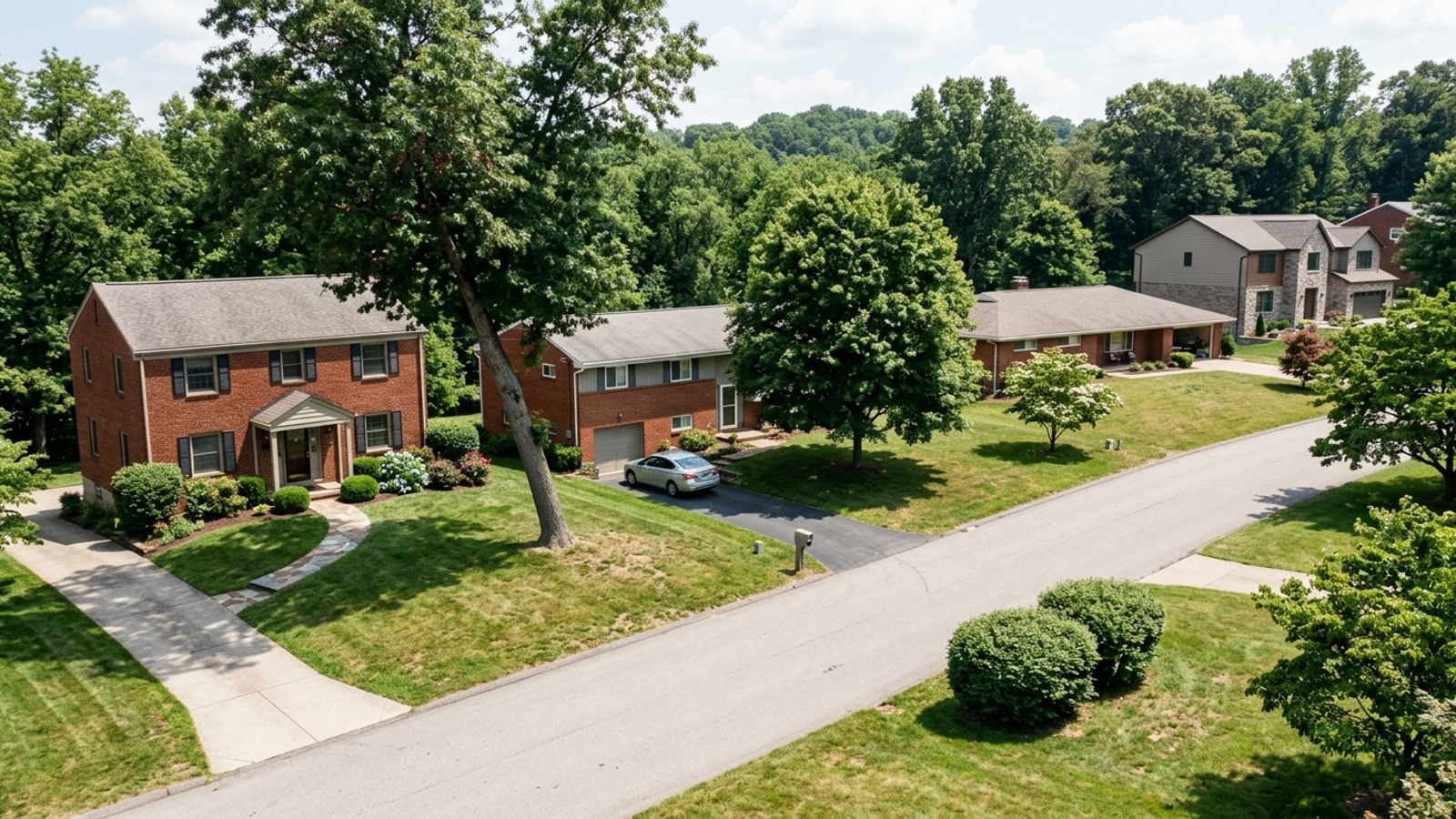
The median sale price for homes in the Upper St. Clair, PA housing market recently came in at roughly $495,000 - a slight pullback from previous highs, but not the kind of correction that changes the fundamental story here. This is Allegheny County's version of a steady, high-demand township, and it draws buyers who want stable values and tenants who stay.
Prices are shifting. Inventory is tight. If you're watching this market, those two facts alone should shape every offer you write. Whether you're looking to flip, hold long-term rentals, or buy commercial space, the numbers tell you where the opportunities are - and where they aren't.
Is Upper St. Clair, PA a Good Place to Buy Investment Property?
About 1.9 months of available inventory puts Upper St. Clair firmly in seller's-market territory. A balanced market runs four to six months of supply. Right now, with roughly 54 homes sitting in active inventory, sellers have leverage, and most of them know it.
Homes are averaging 50 days on market, and nearly 41% of recent transactions closed above the original asking price. If you're planning to lowball, this isn't the market for it. You'll lose deals to traditional homebuyers who have no interest in waiting around for a discount.
Price Trends and Market Dynamics
The median sale price landed at $494,673, down about 5.8% year-over-year. That dip is real, and it does open a window for investors who got squeezed out during the steeper run-up. But don't mistake a cooling for a collapse - the sale-to-list ratio is still sitting at 99.2%, which means sellers are getting nearly every dollar they ask for.
Upper St. Clair Market Data for Property Buyers
The township's population peaked at 21,160 in 2020 and has since settled around 20,466. That's a modest decline, not a warning sign - it means your tenant pool is stable and predictable rather than growing fast. Plan for steady demand, not a wave of new renters showing up.
The effective property tax rate in the township runs approximately 2.04%. That number needs to go into your spreadsheet before you fall in love with any particular address. In Allegheny County, taxes have a way of quietly eating cash flow that looked healthy at first glance.
Rent and Cost Averages
Median gross rent estimates run between $1,797 and $2,348 depending on the source and property size. Renting is cheaper than buying across the first decade of living here, which is exactly the dynamic that keeps a long-term tenant base intact. At current interest rates, a lot of people who could buy are choosing not to - and that works in your favor as a landlord.
Popular Strategies for Local Real Estate Portfolios
Buy-and-hold works in markets with reliable rental demand, and Upper St. Clair fits that description. The key is acquiring at the right price, because thin margins don't survive an unexpected HVAC replacement in year one. Properties that need minimal work before a tenant moves in are worth paying a small premium for.
Flipping is a different game entirely. You're looking for distressed properties, pricing in contractor costs with real numbers, and selling into a market where buyers expect near-list prices. The margin for error is narrow.
House Flipping and the 70% Rule
The 70% rule exists to keep flippers from getting excited and overpaying. The formula: pay no more than 70% of after-repair value, minus your renovation costs. On a home with a projected after-repair value of $500,000, 70% gets you to $350,000. If repairs run $50,000, your maximum offer is $300,000. That's your ceiling - not your target.
Standard Investment Guidelines
The 1% rule says a property should generate at least 1% of its purchase price in monthly rent. In a $495,000 median market, hitting that number is a stretch. It's still a useful screening tool, but go in knowing most properties here won't clear it. The 3-3-3 rule is more immediately practical: set aside three months of mortgage payments, three months of estimated repair costs, and three months of vacancy reserves before you close on anything.
Short-Term and Month-to-Month Rental Options
Furnished month-to-month rentals have a real market here, driven by corporate relocations and traveling professionals coming into the Pittsburgh metro. These units typically command higher monthly rates than standard unfurnished leases - that's the upside.
The downside is the operational load. Frequent turnovers mean more cleaning, more maintenance calls, and more time managing vacancy between tenants. You need a marketing plan that keeps units occupied, not just a nice listing.
Evaluating Profitability Rules
Many short-term and mid-term operators use the 75/55 rule as a benchmark - 75% occupancy across the year, with a 55% operating margin after expenses. Before you target that, check local zoning codes. Short-term rental regulations vary by municipality, and you don't want to close on a property only to find out the township limits how you can use it.
Finding Commercial and Residential Properties
About 89 homes sold in the area over a recent month - steady turnover that gives investors a reasonable number of opportunities to evaluate. Most transactions are single-family residential, but multi-unit buildings and commercial spaces show up in the mix for buyers willing to look for them. Commercial leases run longer and come with different tenant dynamics than residential, which appeals to investors who don't want to deal with annual renewals.
Off-market and wholesale deals are worth pursuing here precisely because on-market competition is stiff. Local wholesalers can get you in front of properties before they hit the multiple listing service, and those deals often come at a lower initial price - though they usually need more work.
Identifying the Right Listings
Cosmetic problems are your friend. Fresh paint and new flooring get a tenant in the door quickly and return your money fast. Foundation issues, on the other hand, just get the property back to zero. Properties near major commuter routes into Pittsburgh also tend to lease faster than those buried deep in residential subdivisions - proximity to the highway matters more to renters than some investors expect.
How to Finance and Structure Your Purchase
Your loan structure affects monthly cash flow more than almost any other single decision. Investment property loans carry higher down payment requirements and slightly higher interest rates than primary residence mortgages, and lenders will look hard at your debt-to-income ratio alongside the property's projected rental income.
Shop multiple lenders. Local portfolio lenders who know the Allegheny County market are worth the extra calls - they understand how to underwrite deals that a national bank's algorithm might flag. A well-structured loan is what keeps you solvent during a vacancy stretch, not wishful thinking about finding a tenant fast.
Avoiding Common Pitfalls
Deferred maintenance on a roof or HVAC system is the fastest way to destroy first-year cash flow - those repairs can't wait, and they're expensive. Properties on busy arterial roads or without dedicated parking are also worth approaching carefully. They tend to appreciate more slowly and sit vacant longer, which compounds the problem if your margins are already tight.
Frequently Asked Questions
Is Upper St. Clair, PA a good place to invest in real estate?
Yes, the township offers a stable tenant pool and tight inventory. With about 1.9 months of supply, properties hold their value well, though high purchase prices mean cash flow requires careful planning.
Are home prices dropping in Upper St. Clair, PA?
Prices have seen a slight recent dip. Recent market data shows the median sale price at roughly $495,000, which is down about 5.8% year-over-year.
Is Upper St. Clair a buyer's or seller's market?
It is currently a seller's market. There are only about 54 homes in active inventory, representing 1.9 months of supply, which favors sellers in price negotiations.
How much is rent in Upper St. Clair, PA?
Median rent estimates vary by source, generally falling between $1,797 and $2,348 per month. The exact rate depends on the size, condition, and location of the property.
Is Upper St. Clair growing or declining?
The population is experiencing a slight decline. After peaking at 21,160 in 2020, recent estimates place the township's population around 20,466.