Friday, September 18, 2026 / by Sharon St Clair
Understanding Utilities in Upper St. Clair, PA: City Water vs. Well Water
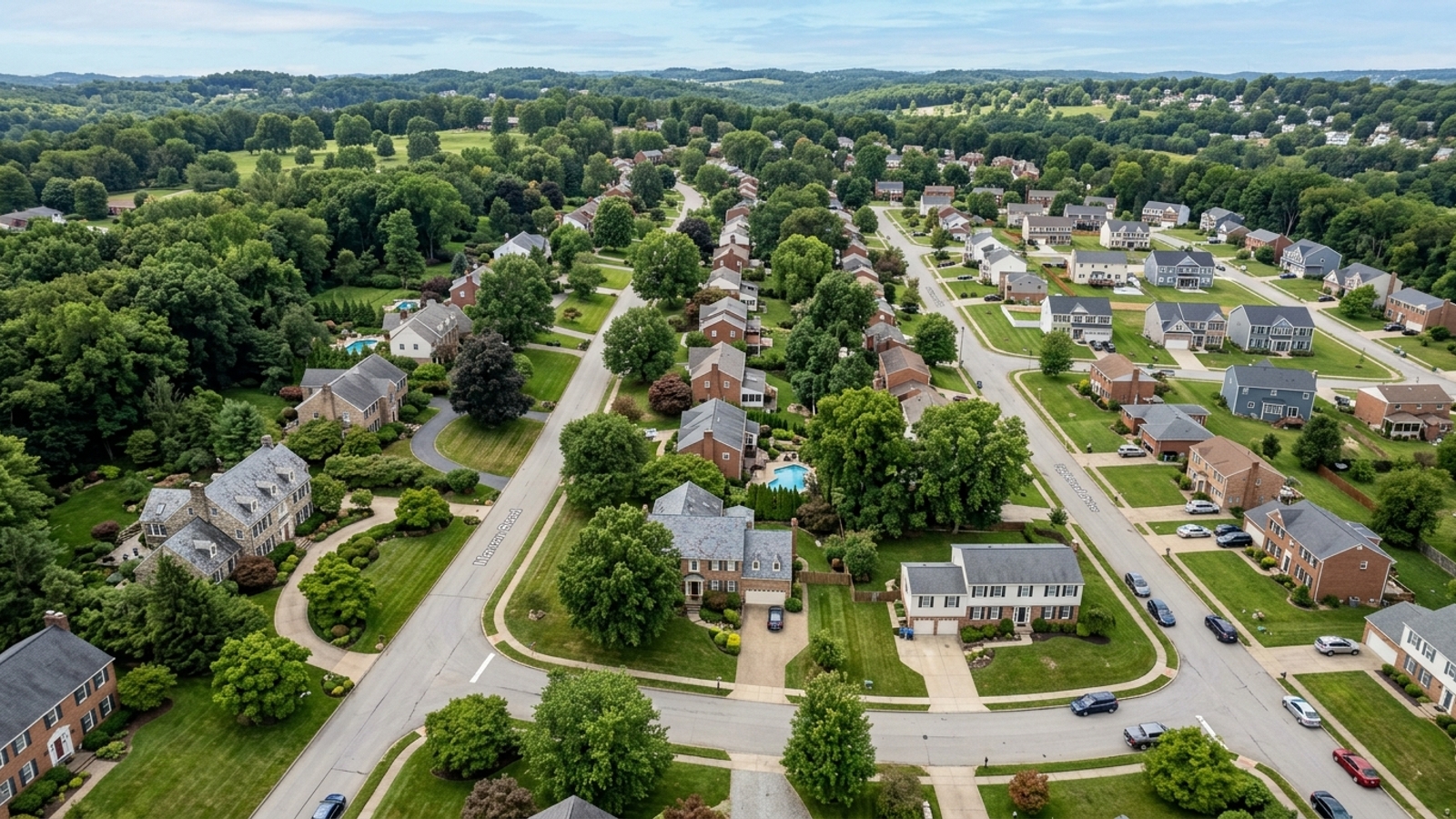
Buyers weighing the pros and cons of living in Upper St. Clair, PA tend to ask a lot of questions about infrastructure - and that's the right instinct. The median sale price in the area sits around $450,000, homes typically spend about 53 days on the market, and there are roughly 65 properties in local inventory at any given time, ranging from older estates to newer builds. That's a meaningful investment, and knowing what's behind the walls - and under the yard - matters.
One detail that surprises some buyers is the water source. A lot of neighborhoods here tie directly into municipal lines, but some properties draw from private wells. Which system a house uses will shape your monthly bills, your maintenance calendar, and whether you're ever thinking about water treatment. It's worth knowing before you make an offer.
Quick Comparison of City and Well Water
The core difference between these two systems is simple: who manages the supply and how you pay for it. Municipal water is treated and delivered by a utility company. A private well pulls groundwater from directly beneath your own property.
Pennsylvania American Water is the municipal utility serving Upper St. Clair Township. Homes on their lines get treated water on demand and pay a monthly bill based on usage.
At-a-glance differences
City water asks nothing of the homeowner beyond paying the monthly bill and keeping the pipes inside the house in good shape. Testing, treatment, and infrastructure repairs up to the property line - that's all on the utility.
Well water flips that equation. You don't pay a monthly charge for the water itself, but you're the one responsible for the electricity to run the pump, routine testing, and any repairs when something goes wrong. You're your own utility manager.
How City Water and Private Wells Function
A municipal system pulls from large regional sources, treats the water at a central facility, and pushes it through underground pipes to each home. A private well taps a localized aquifer sitting directly beneath the property.
If you've heard the phrase "city water well" and wondered what it means - it's usually referring to a large-scale municipal well a town uses to supply its public system, not a private well on a residential lot. Different thing entirely.
Types of private wells found in Pennsylvania
Drilled wells are the standard for modern residential properties. Heavy machinery bores deep into bedrock - often hundreds of feet - to reach a reliable aquifer. Pennsylvania doesn't require a state permit for private residential wells, though the drilling companies themselves must be licensed.
Older homes sometimes have dug or bored wells, which are shallower and more vulnerable to surface contamination or drought conditions. If you're looking at a property with one of those older shallow systems, upgrading to a deep drilled well is often a smart move.
How to check your home's water source
Start with the seller's property disclosure statement - that's the quickest answer. You can also look for a water meter inside the home. Municipal systems always have one to track usage; private wells don't.
Walk the property, too. A wellhead usually looks like a metal or plastic pipe sticking a foot or two out of the ground, capped, somewhere in the front or back yard. Hard to miss once you know what you're looking for.
What Water Costs in Upper St. Clair
Budgeting for utilities here means looking at water and sewer as two separate line items. Pennsylvania American Water handles water billing for connected homes, but sewage is a distinct charge.
For reference, 2025 data shows Upper St. Clair Township's sewer billing at a base rate of $13.69 per month plus $19.55 per 1,000 gallons used. That figure is calculated using a 1.64 multiplier applied to ALCOSAN fees - it's completely separate from your municipal water bill.
Well ownership and maintenance expenses
If you're on a private well, you won't have a monthly water bill, but operating costs still exist. The pump runs on electricity, which adds something to your monthly power bill.
Longer-term, plan for periodic inspections, water testing, and eventual equipment replacement. A well pump typically lasts 10 to 15 years. Replacing one means budgeting for parts and professional labor.
What drives up a monthly water bill
For homes on city water, outdoor use is almost always the culprit when a bill spikes. Irrigation systems, filling a pool, heavy lawn watering - they burn through thousands of gallons fast.
Indoor leaks are just as problematic. A running toilet or a dripping faucet can waste a surprising amount of water over a single billing cycle, and since sewer charges track water usage, the hit shows up twice.
Paying for water and septic systems
Properties with private wells usually have private septic systems too, since municipal water and sewer lines tend to go in together. If you have both a well and a septic system, you won't receive a water or sewer bill from the township.
Your costs shift to maintenance instead - paying a contractor to pump the septic tank every few years, plus whatever water treatment your well requires.
Water Quality and Testing Guidelines
Municipal water is closely regulated and treated to meet federal and state drinking water standards. Private wells are unregulated once they're installed. After that point, the quality is entirely the homeowner's responsibility.
Pennsylvania American Water publishes an annual water quality report covering the testing and treatment of the local supply. If you're on municipal lines, that report tells you exactly what's in your water.
Allegheny County well testing rules
The Allegheny County Health Department offers private well testing, but only for coliform bacteria. They specifically instruct residents not to submit water from streams, lakes, ponds, unlined wells, springs, puddles, or cisterns.
For an accurate sample, you need to collect from the kitchen sink cold water tap - sanitize the tap first, let the water run for three minutes, then fill the collection bottle.
Hard water and skin effects
Western Pennsylvania water, whether from a well or municipal lines, tends to be hard - meaning elevated levels of dissolved minerals like calcium and magnesium. Hard water is safe to drink, but it leaves spots on dishes, causes scale buildup in pipes, makes soap harder to lather, and can leave skin feeling dry after a shower.
A lot of homeowners here install a water softener regardless of their water source.
Pros and Cons of a Private Well
A private well gives you independence from municipal utility rates. It also puts every maintenance decision on your shoulders. Those two things come as a package.
Some buyers genuinely prefer the taste of well water - no chlorine, since that's the disinfectant used in municipal supplies. That said, the absence of chlorination is exactly why regular bacteria testing matters.
Drawbacks to consider
The biggest vulnerability is the pump's dependence on electricity. Lose power in a storm, lose access to running water until it comes back - or until a generator takes over.
Deep drilled wells are generally reliable, but if the local water table drops during a severe drought, a shallower system can struggle to keep up.
Benefits of independent water access
The main financial upside is volume predictability. Water a large garden, fill a pool, wash vehicles - none of it runs through a meter. No utility bill spike at the end of the month.
A private well also gives homeowners full control over filtration and treatment. If you want to manage exactly what's in your water without municipal additives in the mix, a well gives you that blank slate.
Converting Between Well and City Water
If you buy a home with a well and later want to connect to municipal water, it may be possible - but it depends entirely on whether Pennsylvania American Water has a main line running past your property.
If there's an accessible main, the conversion involves paying a tap-in fee, hiring a contractor to run a service line from the street to the house, and installing a meter.
The process of connecting to municipal lines
Start by contacting the utility provider to confirm service availability and request an application. They'll outline the required permits and the specific fees for tapping into the main line.
Once approved, a plumber trenches the yard, lays the new pipe, and disconnects the house from the well system. The utility company then inspects the work and installs the meter.
Maintaining both systems on one property
Some homeowners connect to city water for indoor use and keep the well active for outdoor irrigation. It's a workable setup, but it requires strict plumbing separation to prevent cross-contamination between the well and the public supply.
Using the well for landscaping reduces municipal water and sewer charges while keeping the drinking water inside the home treated and monitored.
Buying an Upper St. Clair Home with a Well
A property with a private well calls for a few extra steps during due diligence. Standard home inspections don't typically cover the mechanical condition of the well pump or the quality of the water. You'll need to bring in additional help.
Hire a specialized well contractor before closing. They'll check the pump's electrical draw, inspect the pressure tank, and measure the well's flow rate to confirm it can handle everyday household use.
Inspections and tests to schedule
Schedule a comprehensive water quality test during your inspection contingency period. The county health department tests for coliform bacteria, but a private lab can also screen for lead, nitrates, arsenic, and heavy metals - worth doing on a property you're about to own.
If the home has a septic system, get that inspected at the same time. The inspector will check the tank's condition, confirm the drain field is functioning properly, and verify it's located a safe distance from the wellhead.
Questions for the seller
Ask for any records on the well, including the original drilling log if it exists. That document shows the total depth and the initial yield when the well was installed.
Also ask about the pump and pressure tank maintenance history, and whether the household has ever dealt with dry spells or low pressure during summer months. Past performance doesn't guarantee anything, but it tells you what to watch for.
Frequently Asked Questions
How do I transfer utility accounts into my name when buying a house in Upper St. Clair?
Contact the individual utility providers directly, typically a week before closing, to set up an account in your name. For water, you'll contact Pennsylvania American Water to schedule the service transfer.
Which companies are the primary water, gas, and electric providers for Upper St. Clair residents?
Pennsylvania American Water provides municipal water service to the township. Gas and electric services are provided by regional utility companies, though residents can choose their specific energy supplier under state regulations.
Are residential trash and recycling services billed separately or included in Upper St. Clair township taxes?
Trash and recycling services are generally managed through the township, but verify the current billing structure with the local municipal office when you're setting up your other utilities.
Does Upper St. Clair Township require a sanitary sewer dye test to be completed before selling a property?
Many municipalities in Allegheny County require a dye test before closing to confirm storm water isn't draining into the sanitary sewer system. Check with the township office to confirm the current requirements for your specific property.
Who is responsible for scheduling the final utility meter readings before closing on a house in Upper St. Clair?
The seller is responsible for scheduling final readings and paying the closing bills for all metered utilities. The buyer simply ensures their new accounts are set to activate on the day of closing.
What broadband and fiber internet providers are available to neighborhoods in Upper St. Clair, PA?
Major regional telecommunications companies offer high-speed broadband and fiber internet to most neighborhoods in the township. Availability varies by street, so check specific addresses with providers before closing.