Wednesday, October 7, 2026 / by Sharon St Clair
What to Expect From the Peters Township, PA Housing Market
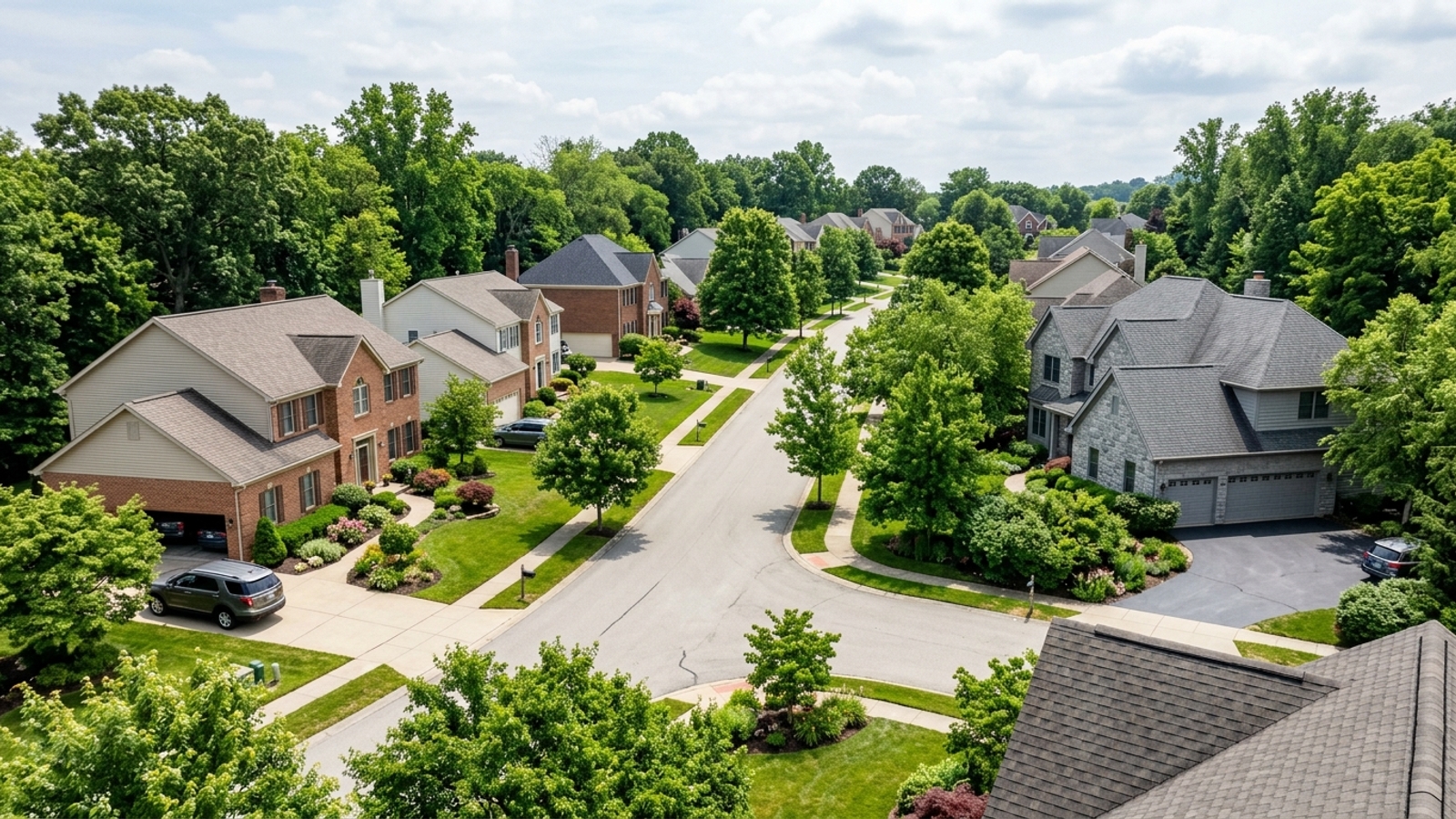
Peters Township, PA sits in Washington County, about 15 miles south of downtown Pittsburgh. The local landscape rests at an average elevation of 1,102 feet, which nudges daily temperatures a bit lower than the river valleys closer to the city. If you're weighing the pros and cons of living in Peters Township, PA, plan on a true four-season environment - distinct shifts in temperature and precipitation, start to finish, every year.
Knowing the local weather patterns matters when you're timing a move, scheduling home inspections, or just figuring out what the maintenance budget should look like. Humid summer afternoons, snowy winter mornings - homes here need to handle both ends of that spectrum. Here's what to expect, month by month.
Peters Township Climate Overview
Western Pennsylvania falls within a humid continental climate zone. Depending on which weather station you use for tracking, the area lands in either a hot-summer humid continental (Dfa) or warm-summer humid continental (Dfb) classification. Either way, the designation means large seasonal temperature swings - warm to hot summers, cold winters.
Pittsburgh itself sometimes gets categorized as humid subtropical, partly because the river valley sits lower and behaves a little differently. Peters Township, at 1,102 feet, stays firmly in the humid continental column. You get well-defined season changes here: real foliage, real shifts in daylight, real weather.
How the Local Geography Affects the Weather
Set away from Pittsburgh's major rivers, the township doesn't get much of the temperature-moderating effect that water provides. That 1,102-foot elevation means winter precipitation is more likely to stay as snow rather than melting on contact. Summer evenings tend to cool off a bit faster than they do in the densely paved city center.
None of this is dramatic - it's fairly typical for the rolling hills of western Pennsylvania. Buyers relocating from warmer southern states will need time to calibrate to the winter frost. Those moving from the upper Midwest usually find the winters here somewhat milder than what they left behind.
Seasonal Weather Expectations
The seasons drive both the lifestyle and the property upkeep calendar in Washington County. Spring means thawing ground and frequent rain - keep your gutters clear and test your sump pump before you need it. The frost risk passes by late May, and the local flora catches up quickly after that.
Summer brings the year's highest humidity, peaking in July and August. Fall offers a real reprieve: crisp air, lower humidity, good foliage. Winter is exactly what it looks like - freezing temperatures and snow accumulation are standard from December through February, and you prepare for it or you deal with the consequences.
Summer and Winter Conditions
Summers are warm and frequently humid, and reliable central air conditioning isn't optional here - it's a baseline. Afternoon thunderstorms roll through during the hottest weeks, occasionally dropping heavy rain that temporarily clears out the humidity before it builds back up.
Winters are cold and overcast, consistent with the broader Pittsburgh metro. Expect freezing overnight temperatures and regular snow showers. Driveways and sidewalks need ongoing attention, and heating systems run hard through January and February.
Spring and Fall Shoulder Seasons
Spring is the unpredictable one. Temperatures can swing from freezing to mild within the same week, and March and April mix late snow flurries with early rain in ways that can complicate outdoor repairs or landscaping projects.
Fall, by contrast, is the most stable season western Pennsylvania offers. September and October bring comfortable daytime temperatures, cool nights, and lower humidity. It's a solid window for exterior painting, roof inspections, or moving into a new home.
Monthly Temperature Averages
There's no dedicated NOAA weather station recording normals specifically for Peters Township, so data from the nearby Pittsburgh station serves as the closest proxy. January is the coldest month, with an average high of 39°F and an average low of 23°F.
Temperatures climb steadily through spring and peak in mid-summer. July is the hottest month - average highs of 85°F, lows around 65°F. Those are averages, which means residents do see days that drop below zero in winter and climb above 90°F during summer heatwaves.
Planning Around the Hottest and Coldest Months
The January and July extremes set the pace for energy use in local households. At 23°F average lows, furnaces run constantly - well-insulated windows and a modern HVAC system aren't selling points you ignore. They're what keeps the utility bill from getting out of hand.
July's 85°F average highs come with elevated humidity, pushing the heat index higher than the thermometer suggests. When you're touring homes in summer, take a good look at the age and condition of the central air conditioning units. Attic ventilation matters too - it has a real effect on how well a house sheds heat in August.
Rain, Snow, and Humidity Levels
Precipitation shows up year-round in Washington County, arriving as rain, snow, or wintry mix depending on the month. Using the Pittsburgh station as a proxy, the region gets about 41.3 inches of annual rainfall. June is typically the wettest month at around 3.4 inches; February is generally the driest.
Humidity swings significantly by season. Winter air is drier - the kind of dry that produces static electricity and makes your skin feel it. By late spring, humidity climbs and compounds the summer heat until the cold fronts push back in through fall.
Annual Snowfall Estimates
Snowfall totals shift depending on the data source and the specific winter. NOAA-sourced data via Visit Pittsburgh reports an average of about 44 inches of snow annually for the metro area, though some historical sources cite lower averages around 26 to 28 inches.
Peters Township's slightly higher elevation and distance from the rivers means local snowfall often falls in a similar or slightly higher range than downtown Pittsburgh. If you're buying a property with a long driveway, budget for snow removal equipment or a plowing service before the first storm of the season - not after.
Rainfall and Humidity Trends
Those 41.3 inches of annual rainfall spread fairly evenly across the calendar, but early summer tends to produce the heaviest individual events. June's 3.4-inch average usually arrives as quick, intense afternoon thunderstorms rather than steady, predictable rain.
That summer rainfall feeds the humidity that hangs around from June through August. Dehumidifiers are standard equipment in local basements - they manage moisture during the muggy months and keep lower living spaces from feeling damp.
Severe Weather and Natural Hazards
Peters Township, like much of western Pennsylvania, sees occasional severe weather, mostly in spring and summer. Severe thunderstorms can bring high winds, lightning, and brief heavy rainfall, occasionally causing localized flooding in low-lying areas or temporary power outages from downed tree limbs.
Tornadoes are rare here but not impossible. The region is more prone to straight-line winds and hail during intense summer storm fronts. Your roof needs to be in good shape.
Winter Storms and Freezing Conditions
Winter storms are the most consistent weather hazard in the area. Nor'easters and Alberta Clippers can drop several inches of snow in a short window, making the township's hilly roads genuinely difficult to navigate.
Ice storms are less frequent than snow, but they're harder on power lines and tree branches when they hit. Backup generators come up regularly in buyer conversations here for that reason - maintaining heat and refrigeration during a winter outage matters. Pipe insulation is also worth the attention during prolonged cold snaps.
Timing Your Move to Peters Township
The local real estate market runs year-round, though weather absolutely shapes the logistics. As of mid-2026, the median sale price for a home in the McMurray and Peters Township area is roughly $447,500. Homes are averaging about 40 days on the market, with around 20 active listings available at any given time.
Spring and fall moves are the most comfortable for the physical work of loading trucks and getting settled. Summer is popular because of the school calendar, but you're doing it in heat and humidity. Winter moves require flexibility - a sudden snowstorm can push a closing date or delay a moving truck, and that's just part of the reality here.
Scheduling Around the Weather
Touring homes in the spring lets you see how a yard handles heavy rain and snowmelt firsthand. Touring in the winter tells you a lot about a home's heating efficiency and how well the neighborhood keeps up with snow clearing - both things worth knowing before you sign.
Whatever season you buy in, weather-related maintenance belongs in your budget from day one. With a median home price of $447,500 and homes selling relatively close to list price, you want financial room for gutter cleaning, HVAC servicing, and snow removal - not just for the purchase itself.
Frequently Asked Questions
Are there specific neighborhoods or roads in Peters Township prone to flooding during heavy spring rains?
Yes, low-lying areas and properties near local creeks can see minor flooding during the wettest months, particularly in June when rainfall averages 3.4 inches. Review local topography maps and ask your agent about historical water pooling on specific lots before you make an offer.
Do buyers typically need flood insurance or specialized winter storm coverage for homes in Peters Township?
It depends on the exact location of the property. Most homes at the township's average 1,102-foot elevation don't require mandatory flood insurance, but a standard homeowner policy should cover wind and hail damage from severe storms.
How does the local winter weather impact the timeline and process for selling a house in Peters Township?
Snowstorms can delay appraisals, inspections, and moving trucks, which slows things down. With local homes averaging about 40 days on the market, sellers listing in January or February should keep driveways and walkways clear - buyers are out there, and you want them to be able to get to the door.
Does Peters Township get significantly more snow than downtown Pittsburgh or other Washington County suburbs?
It gets a similar or slightly higher amount than downtown Pittsburgh, given the higher elevation and distance from the rivers. The area sees roughly 44 inches of snow annually, though totals fluctuate from year to year.
What specific weather-related wear and tear should buyers look out for during a Peters Township home inspection?
Check the roof for wind or hail damage from summer storms, and look at the foundation for moisture intrusion from spring rains. The HVAC system deserves a thorough test - it's working against 85°F July highs and 23°F January lows, and deferred maintenance shows up fast under that kind of load.
What are the most important steps for winterizing a home in Peters Township to prevent freeze damage?
Disconnect exterior hoses, drain outdoor sprinkler systems, and make sure attics and crawlspaces have adequate insulation. Get the furnace serviced before January arrives - that's the standard preventative step, and it's worth doing every year.